Grease is the silent enemy of every professional kitchen. It builds up slowly, hides in hard-to-reach places, and before you notice it, it becomes a fire hazard, a hygiene risk, and a profit killer. That’s why deep degreasing of kitchen equipment isn’t just cleaning — it’s preventive maintenance, safety compliance, and brand protection.
In this guide, we break down what deep degreasing really is, why regular cleaning isn’t enough, and how professional deep degreasing can extend equipment life, pass inspections effortlessly, and keep your kitchen running at peak performance.
What Is Deep Degreasing of Kitchen Equipment?
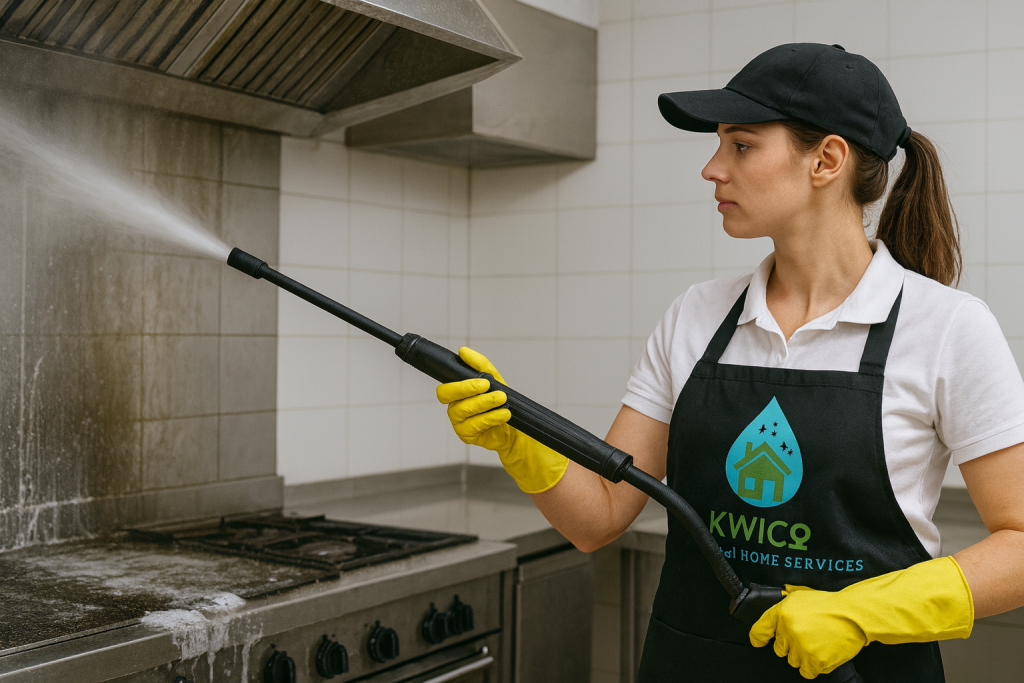
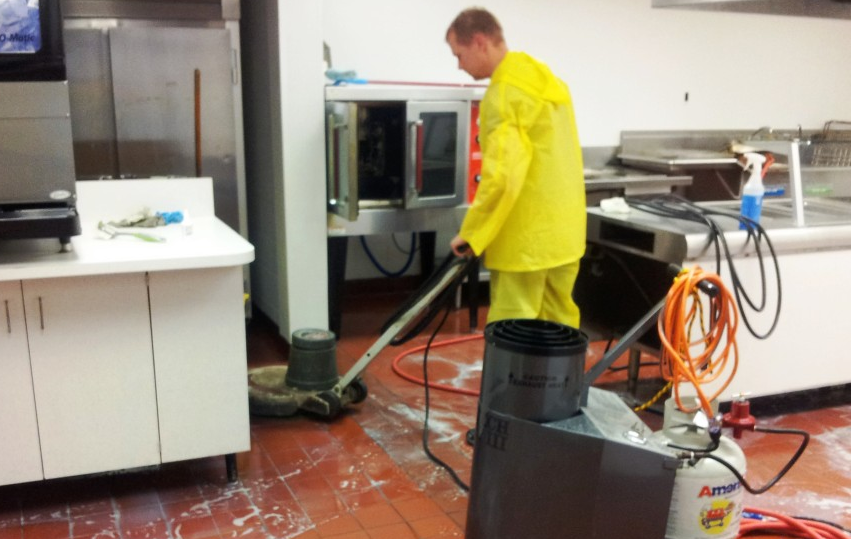
Deep degreasing is a specialized cleaning process designed to remove hardened grease, carbon deposits, and oil residue from commercial kitchen equipment — far beyond what daily or weekly cleaning can achieve.
Unlike surface cleaning, deep degreasing targets:
Internal components
Hidden grease traps
Ventilation-connected equipment
High-temperature buildup zones
It uses industrial-grade degreasers, controlled heat, pressure techniques, and trained procedures that safely break down grease without damaging equipment.
Deep Degreasing of Kitchen Equipment: Why Regular Cleaning Is Not Enough
Most kitchens clean daily — but grease doesn’t care.
Over time, grease:
Polymerizes (hardens like glue)
Penetrates metal pores
Accumulates behind panels and under seals
Turns into fuel for fires
Mopping floors and wiping surfaces does NOT remove this buildup.
That’s why kitchens that “look clean” still:
Fail health inspections
Smell bad during service
Overheat equipment
Face unexpected breakdowns
Deep degreasing solves the problem at its root.
Equipment That Requires Deep Degreasing
Professional deep degreasing typically includes:
🔥 Cooking Equipment
Ovens (convection, combi, pizza)
Grills & charbroilers
Fryers
Flat tops & planchas
Rotisseries
🌀 Ventilation & Heat Zones
Extractor hoods
Grease filters
Duct entry points
Hood interiors
🧰 Supporting Equipment
Gas burners
Heat shields
Drip trays
Fan covers
Equipment bases and undersides
Neglecting just one of these can compromise the entire kitchen.
Key Benefits of Deep Degreasing Kitchen Equipment
1. Fire Risk Reduction
Grease is highly flammable. Deep degreasing drastically lowers the chance of kitchen fires — one of the leading causes of restaurant closures.
2. Health & Hygiene Compliance
Health inspectors look beyond visible cleanliness. Deep degreasing ensures compliance with:
HACCP standards
Local health regulations
Fire safety requirements
3. Extended Equipment Lifespan
Grease traps heat, stresses components, and causes corrosion. Clean equipment:
Runs cooler
Breaks down less
Lasts years longer
4. Improved Performance & Energy Efficiency
Clean equipment heats evenly, cooks faster, and consumes less gas or electricity — reducing operating costs.
5. Better Smell & Kitchen Environment
That “old oil” smell? Gone. Deep degreasing improves:
Air quality
Staff comfort
Customer perception
How Often Should Deep Degreasing of Kitchen Equipment Be Done?
It depends on usage, but industry best practices recommend:
High-volume restaurants: Every 3–4 months
Medium-use kitchens: Every 6 months
Low-use or seasonal kitchens: At least once per year
If you fry daily or cook at high temperatures, waiting too long is a costly mistake.
Professional Deep Degreasing vs DIY Cleaning
DIY Cleaning
Professional Deep Degreasing
Surface-level
Full internal treatment
Household chemicals
Industrial-grade degreasers
Time-consuming
Fast & systematic
Inconsistent results
Measurable, compliant outcome
Risk of damage
Safe for equipment
DIY cleaning maintains appearance. Professional degreasing protects your business.
Signs Your Kitchen Needs Immediate Deep Degreasing
Sticky surfaces even after cleaning
Strong grease odor during service
Smoke appearing earlier than usual
Equipment overheating
Black residue around vents or burners
Failed or “borderline” inspection results
If you recognize even one, it’s time.
Choosing the Right Deep Degreasing Service
Look for professionals who offer:
Commercial kitchen specialization
Food-safe, certified chemicals
Equipment-safe procedures
Flexible scheduling (after hours)
Before/after inspection checks
Cheap services often skip critical areas — and inspectors don’t.
Final Thoughts: Deep Degreasing of Kitchen Equipment Is Not an Expense — It’s Protection
Deep degreasing of kitchen equipment is an investment in safety, efficiency, and reputation. It prevents fires, avoids fines, extends equipment life, and ensures your kitchen performs like it should — day after day.
Clean kitchens don’t just pass inspections. They run smoother, smell better, and make more money.
If your kitchen works hard, your cleaning should work harder.

 79
79
 35
35
 20
20









2 Comments